

Why Surface Preparation Determines the Success of a Paint Job
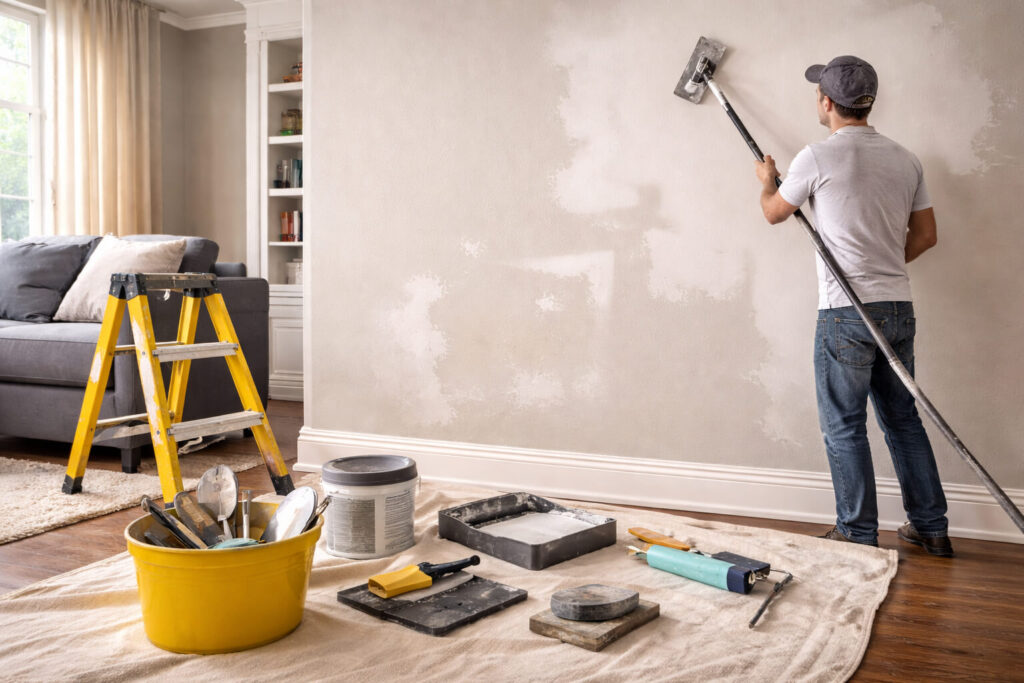
A successful paint job begins long before the first coat is applied. For both interior and exterior projects, surface preparation is the most important factor in achieving a durable, attractive finish. Homeowners planning a repaint often ask why professionals spend so much time on preparation. The answer is simple: without the right groundwork, even the best paints can fail to perform as expected.
The Role of Surface Preparation in Painting
Surface preparation includes cleaning, repairing, and priming surfaces before painting begins. For exterior projects, this often means pressure washing to remove dirt, mildew, and loose paint. Indoors, preparation may involve drywall repair, patching holes, sanding rough areas, and ensuring surfaces are clean and dry. These steps create a stable base for new coatings, helping paint adhere properly and preventing premature peeling or blistering. Skipping or rushing preparation can lead to visible flaws and reduce the lifespan of the paint job.
Pressure Washing and Cleaning: The First Step Outdoors
Exterior surfaces are exposed to weather, pollution, and organic buildup. Pressure washing removes contaminants that interfere with paint adhesion. This step is especially important for siding, trim, and decks, where mold, mildew, or chalky residue can prevent coatings from bonding. Proper cleaning also reveals areas that need repair, such as damaged wood or failing caulk. By starting with a clean surface, painters ensure that primers and paints form a strong, lasting connection to the substrate. For more on this process, see our Pressure Washing services page.
Drywall Repair and Sanding: Preparing Interiors for Paint
Inside the home, walls and ceilings must be smooth and free of defects before painting. Drywall repair addresses cracks, holes, and surface irregularities. After patching, sanding creates an even texture and removes old paint or debris. Clean, dust-free surfaces are essential for proper primer and paint application. Well-prepared interiors result in a uniform finish that resists wear and looks professional. Learn more about our approach to interior projects on our Painting Services page.
How Preparation Affects Durability and Finish Quality
Each preparation step directly influences the performance of the paint. Properly cleaned and repaired surfaces allow coatings to bond securely, reducing the risk of peeling, bubbling, or early fading. Inadequate preparation can lead to visible brush marks, uneven color, and coatings that fail prematurely. By investing time in these foundational steps, painting professionals help ensure that finished surfaces are both attractive and long-lasting.
Surface preparation is the cornerstone of any successful painting project. Whether you are updating a home’s interior or protecting exterior surfaces, careful cleaning, repair, and priming are essential for a quality result. Homeowners who understand the importance of these steps can better plan their projects and expect lasting value from their investment. For more information on our preparation process and painting services, visit our Painting Services and Pressure Washing pages or contact Best Coat Painting And More for a project assessment.